


Choose the correct size: how big is a basketball
A basketball is a spherical ball used in basketball. It is usually made of leather, rubber, or synthetic materials and is inflated with air. Choosing the right basketball is crucial, as it directly impacts the quality of the game and the players' performance. Factors such as size, weight, grip, and bounce can significantly affect shooting, dribbling, and the overall playing experience. Selecting the right basketball therefore ensures better control, accuracy, and enjoyment on the court.
Choose the correct size: how big is a basketball?
Basketball sizes and diameters vary for adults and children under 14 years old, depending on age, gender, and sometimes skill level. Here's a breakdown:
- Men: The standard size for men playing basketball, including high school, college, and professional leagues, is size 7. It has a circumference of 29.5 inches (75 centimeters) and a weight of approximately 22 ounces (623.69 grams).
- Women: The standard size for women playing basketball, including high school, college, and professional leagues, is size 6. It has a circumference of 28.5 inches (72 centimeters) and weighs about 20 ounces (567 grams).
-
Children: For children under 14 years of age, basketball sizes vary depending on age and playing level:
- Ages 9 and under: Size 5 is commonly used. It has a circumference of 27.5 inches (70 centimeters) and is easy for small children to handle and control.
- Ages 10-12: Some leagues continue to use size 5, while others switch to size 6. It depends on the league rules and the players' skill level.
- Ages 13-14: Many leagues use size 6 for boys and girls of this age, especially for more competitive play. This helps them manage the transition to standard adult basketball.
Tips for ball selection:
- Men and women: Choose a basketball size (size 7 for men, size 6 for women) that corresponds to the standard of your league or competition. Consider factors such as grip, material, and bounce to ensure optimal performance.
- Children: Choose a basketball size that corresponds to their age and skill level. For younger children, start with size 5 and then move up to size 6 as they grow and develop their skills. Look for lightweight balls with good grip to help them learn proper shooting and dribbling techniques.
Here is a simplified basketball size chart:
|
age group |
basketball star |
|---|---|
|
9 and younger |
Size 5 |
|
10-12 |
Size 5 or size 6 |
|
13-14 |
Size 6 |
|
Men |
Size 7 |
|
Women |
Size 6 |
Feel free to ask if you need more details or have any further questions!
What is the diameter of each basketball?
Here is an overview of basketball diameters for different player categories:
- Men:
- Standard size: Diameter of approximately 24 centimeters (size 7).
- Women:
- Standard size: Diameter of approximately 23 centimeters (size 6).
- Children:
- Children under 9 years: diameter of approximately 22 centimeters (size 5).
- Children aged 10-12 years: Depending on the league, the size can be either 22 centimeters (size 5) or 23 centimeters (size 6).
- Children aged 13-14 years: diameter of approximately 23 centimeters (size 6).
These diameters are approximate values and can vary slightly depending on the manufacturer and specific requirements. It is important to select the correct ball for the player's age and gender to ensure an optimal playing experience.
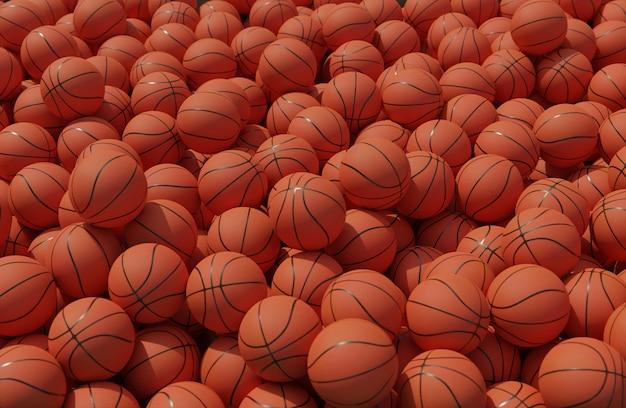
Mini basketballs?
Mini basketballs, also known as size 1 balls, are smaller versions of regular basketballs and are often used for recreational games, training sessions, and in mini basketball leagues. Here are some characteristics of mini basketballs:
- Size 1 mini balls: These have a diameter of about 16-18 centimeters, which is significantly smaller compared to regular basketballs.
- Weight: Mini basketballs are lighter than standard balls, making them easier for young players and beginners to handle.
- Material: They are often made of rubber or synthetic leather and are durable to withstand wear and tear from playing and training.
- Grip: Mini basketballs are usually equipped with a textured surface that allows for good grip and control, especially for children's hands.
- Colors and designs: They are available in various colors and designs to suit personal preferences and style.
Tips for choosing a mini ball for recreational games and training:
Size and weight: Choose a mini basketball that is light enough for the player to control, but also sturdy enough to withstand the demands of the game.
Material: Opt for a mini basketball made of high-quality material such as rubber or synthetic leather to ensure good durability.
Grip: Look for a mini basketball with a grippy surface to ensure good hold and control when dribbling and passing.
Color and design: Choose a mini basketball with a design or color that the player likes and that motivates them to play and train.
A mini basketball can be a great way to enjoy the game at home or to teach children how to play basketball, and they can also be useful for adult players as a training aid to improve their ball control and coordination.
What types of basketballs are used in championships?
The National Basketball Association (NBA) has established specific standards and requirements for basketballs to ensure quality and consistency during games. Some of these requirements include:
Size and weight: The official NBA basketball must have a specific size and weight. The diameter of the basketball must be 29.5 inches (approximately 75 centimeters), and the weight should be approximately 22 ounces (623.69 grams).
Material and Construction: NBA basketballs must be made of high-quality leather specifically designed for optimal grip, durability, and ball control. The construction and stitching must meet standards to ensure consistent bounce and durability.
Inflation: The ball must be properly inflated to meet official specifications. A specific pressure range is usually set to ensure the ball has the correct bounce and responsiveness.
Markings and logos: NBA basketballs must bear the required markings and logos, including the NBA logo, the manufacturer's logo, and other specific markings as required by league regulations.
Control and inspection: The NBA conducts regular checks and inspections of basketballs to ensure they meet standards and game requirements.
These standards are important to ensure that all NBA games are played under the same conditions and that a consistent gaming experience is guaranteed for players and spectators. They also help maintain the integrity of the game and keep the quality of basketball at the highest level.
Indoor or outdoor: the difference is important!
There are differences between indoor and outdoor basketball:
Indoor basketballs: These balls are typically made of leather or another high-quality material suitable for use on indoor courts. They have a smooth surface and offer excellent grip and ball control. Indoor basketballs are designed to bounce and dribble on court surfaces with good traction.
Outdoor basketballs: These balls are more robust and resistant to the rough surfaces of outdoor courts, such as concrete or asphalt. They are often made of rubber or another durable material that can withstand the wear and tear of frequent outdoor play. Outdoor basketballs typically have a grippier surface to provide good traction in varying weather conditions.
Choosing the right basketball depends on where you'll be playing. If you're playing indoors, an indoor basketball with a smooth surface and good grip is the best choice. For outdoor games, a durable outdoor basketball with a hard-wearing surface and good grip is ideal to meet the demands of outdoor play.
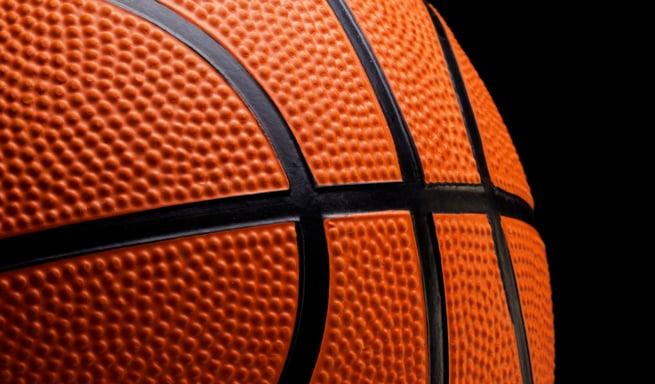
In summary, choosing the right size and diameter basketball is crucial for optimal performance and enjoyment of the game. Here are the key conclusions:
Player considerations: When selecting a basketball size, consider the player's age, gender, and skill level. Different age groups and genders may require different sizes for optimal handling and control.
Standard sizes: Standard basketball sizes include size 7 for men, size 6 for women, and smaller sizes such as size 5 for children under 14 years old.
Importance of Diameter: The diameter of a basketball directly affects its feel and performance during play. A properly sized basketball ensures better control, accuracy, and an overall better playing experience.
Material and construction: Pay attention to the material and construction of the basketball and make sure it meets quality standards and offers the desired grip, bounce and durability.
Indoor vs. Outdoor: Consider whether the basketball will be used primarily indoors or outdoors. Indoor basketballs are designed for smooth indoor surfaces, while outdoor basketballs are built for rough outdoor courts.
By carefully considering these factors and selecting the right size and diameter of basketball, players can improve their skills, maximize their performance, and fully enjoy the game.
Useful links
Discover our basketball products that will help you improve faster:
Related Posts

How to improve your shooting in basketball

Volleyball Rules

The history of basketball

How to install a basketball net in 5 steps

How high is a volleyball net?

15 game ideas for the gym: From warm-up games to team games for elementary school

Which badminton racket is right for you? – The ultimate guide to choosing a racket


