


Handball training for children
Handball training for children
Handball captivates even the youngest children – with its play, movement, and team spirit. But how can children be motivated and successfully introduced to handball training? The key is an age-appropriate training approach that prioritizes the enjoyment of movement, the development of motor skills, and social aspects such as fairness and cooperation, rather than performance and results.
Even in mini-handball training, important foundations are laid. Through playful handball exercises, children learn to coordinate their bodies, understand the rules, and implement basic throwing techniques. The focus is less on competition and more on individual development. Whether in handball training for the youngest players, handball training for the E-youth team, or targeted throwing practice for the D-youth team – the key lies in designing the training sessions to suit the children's ages. The right level of challenge and the recognition of small steps forward also play a crucial role.
With targeted mini handball training, age-appropriate equipment, and plenty of positive reinforcement, handball training can inspire children to develop a lasting passion for the sport. When coaches follow these principles, they create the foundation not only for athletic success but also for the personal development of young players.
1. Effective handball training: from mini teams to D-youth teams
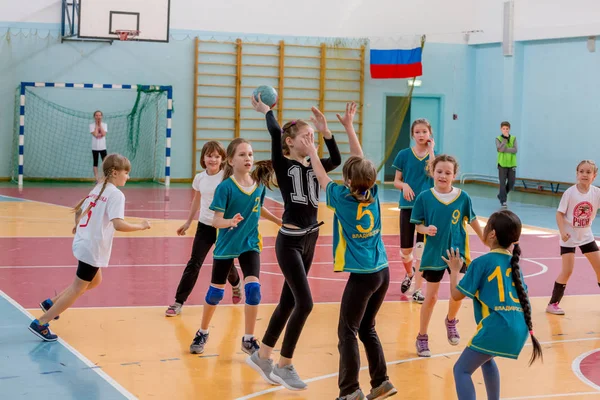
The key to successful handball training for children lies in a systematic, age-appropriate design of the training sessions. From mini handball training to structured training for D-youth handball, the focus is on promoting technique, motor skills, teamwork, and game understanding in coordinated developmental phases. Even preschool children can be playfully introduced to the sport with simple handball mini training exercises – the emphasis here is on the joy of movement, body control, and an initial feel for the ball.
As children get older – for example, in handball training for the E-youth or F-youth levels – specific coordination and technical skills are added. Children learn throwing techniques, improve their agility, and try out initial tactical elements in simple game situations. For example, throwing training for the E-youth handball team lays the foundation for later dynamic shots, while throwing training for the D-youth handball team focuses more on precision, throwing power, and decision-making speed.
Through a well-structured training program, coaches can ensure that every child is challenged and supported according to their age. This leads not only to the long-term development of high-performing players, but above all to enthusiastic young athletes who enjoy coming to training and remain loyal to handball.
2. Important recommendations for coaches working with children in handball
2.1 The main objectives of the training concept
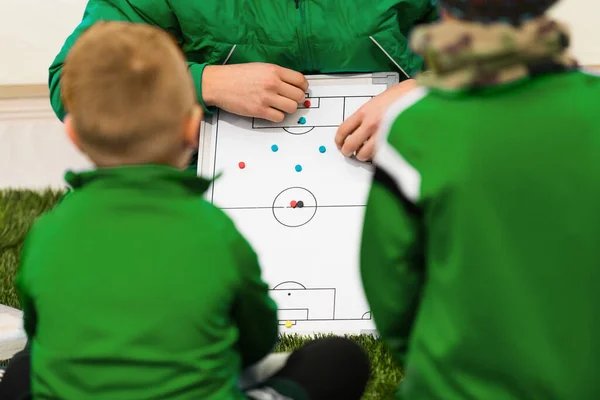
Good handball training for children should do far more than simply impart athletic skills. The focus is on the holistic development of the child – physically, mentally, and socially. Especially in mini handball training or handball training for the F-youth age group, a pedagogically sound concept is crucial, one that combines the fun of the game with targeted development.
To enable children to develop to their full potential, coaches should follow these basic principles:
Individual approach: Every child has different abilities and talents. Handball training should recognize and foster these differences – whether in throwing drills, handball for under-11s, or basic motor skills exercises for young children. Only in this way can every child reach their full potential.
- Play instead of drill: Rigid, monotonous exercises inhibit motivation. Much more effective are playful, creative forms – such as small competitive games or obstacle courses – that actively involve children and strengthen their enjoyment of play.
- Coordination and fitness are key: Movement experience is crucial. A variety of running, catching, and ball games are used to specifically train coordination – an essential component of every children's handball training session.
- Promoting motor development: Handball training supports the development of fundamental movement patterns such as jumping, throwing, catching, and running. This motor foundation forms the basis for later, more complex game actions.
- Creating success experiences: In mini-handball, it's not about goals or victories, but about playing together. Children should feel valued, experience success – and gain the self-confidence to develop further.
Child-friendly handball training takes individual needs into account and creates a positive learning atmosphere. This fosters not only athletic but also personal strengths – the foundation for long-term enthusiasm and development in handball.
2.2 Three steps to the personality development of a true athlete
Good handball training for children focuses not only on technique and fitness – it also supports personal development. According to the Thuringian Handball Association's concept, three pedagogical guidelines are paramount, designed to help every child develop as a player and as a person.
These principles can be implemented at every training age – whether in mini handball training, handball training for the U12s, or the first throwing practice for the U11s:
-
Promoting playful development:
Children learn best through movement and play. Therefore, all handball training exercises should be age-appropriate and playful. Whether passing drills, small-sided games, or tag games – it's important that they are fun for the children while simultaneously teaching them important fundamentals of the game. -
Freedom and diversity
are key. Standardized routines are important – but even more important is giving children the freedom to develop. Open, creative forms of play foster independent thinking, decisiveness, and tactical understanding. This is precisely the foundation for later game intelligence – whether in the under-7s or during under-12 handball training. -
Using Mistakes as Learning Opportunities
: In children's training, a positive attitude towards mistakes is essential. Mistakes are part of learning and not weaknesses – they are important developmental steps. Encouraging children to try new things and learn from mishaps strengthens their self-confidence in the long run.
A modern training approach for children's handball is not about avoiding mistakes, but about growing from them. Through varied gameplay, age-appropriate exercises, and an open approach to errors, not only are better players developed, but also confident young people.
3. Handball training for children: How to design effective training
Age-appropriate handball training combines play, targeted development, and genuine enjoyment of the game. Children should be neither overwhelmed nor underwhelmed – as both can significantly hinder their motivation. The key is finding the right balance: training content must match the children's developmental stage so they can experience progress and develop while having fun. Only then can they achieve genuine moments of success that lead to a long-term passion for handball.
3.1 Handball training for mini-games
Minis are children up to about 6 years old – a phase in which movement and play play a central role in their development. At this age, handball training for children focuses not on performance, but on the joy of movement and playing together. The aim is to awaken an initial enthusiasm for sports, promote basic coordination skills, and strengthen the children's self-confidence through positive experiences.
Handball training for young children should be primarily playful. Within this framework, children learn how to handle the ball – for example, through simple handball training exercises that improve motor skills and also promote teamwork. Important aspects such as throwing, catching, and running with the ball are taught through varied and fun games that lay the foundation for later handball training in the E or D youth levels.
The question " At what age can you start handball? " can also be answered here: Children can begin mini handball training as early as preschool age, provided the training field, content, and methods are adapted to their age. This creates an early positive introduction to the sport, which promotes long-term motivation and athletic development.
3.2 Appropriate training conditions for minis
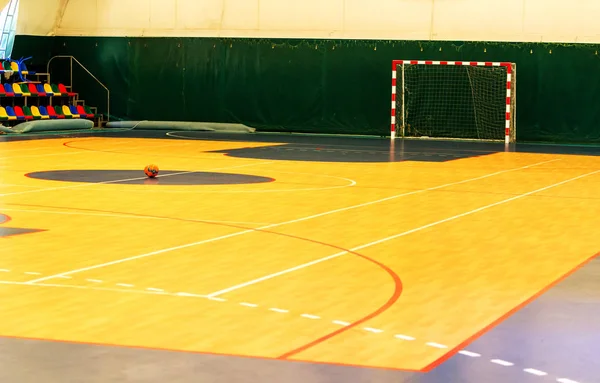
For handball training to be successful for children in the mini-handball category, suitable conditions are essential. In this age group – that is, children under 6 years old – mini handball training primarily focuses on the joy of movement, initial coordination experiences with the ball, and a playful introduction to team play. The training environment should be motivating, safe, and age-appropriate. The following conditions have proven effective:
-
Small fields (e.g. 10 x 20 m)
keep the playing field clear, giving children orientation and security. -
Soft, grippy balls.
Balls specially developed for handball training for minis allow for fearless gripping, catching and throwing. -
Max. 4 against 4 players.
Small teams promote ball contact, participation and team spirit – entirely in line with individual handball training. -
Short play sessions (15–20 min.)
The concentration span of very young children is limited, therefore shorter sessions are ideal.
A well-designed environment ensures that children have positive experiences during handball training. This lays the foundation for long-term enthusiasm and later development in the F, E, or D youth teams.
3.3 Goals of handball training for the youngest players
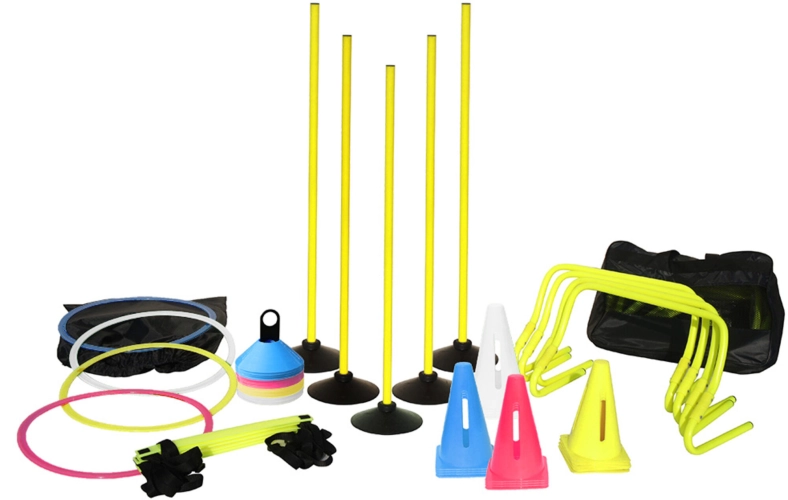
In mini handball training, the focus is not on tactics or performance, but on fundamentals and enthusiasm. Children in mini handball training should primarily learn through play, become familiar with the ball and the court, and experience their first successes. The mini handball training exercises serve to develop motor skills while simultaneously fostering a love of the game.
-
Learning basic techniques: e.g. through simple coordination exercises with and without a ball.
These exercises promote ball feel, body awareness and agility – key goals in handball training for children. -
Understanding the rules: explained in a child-friendly and playful way.
This is how children learn teamwork, fair play, and the basic structures of the game in an entertaining way. -
First throw: e.g. the "Slap Shot" – an underarm throw with an open palm.
A simple but effective technique to facilitate the introduction to throwing training in handball E-youth and later in the higher age groups.
These goals create a stable foundation for the next development phases – whether in handball training for the E youth or in later training for D youth handball.
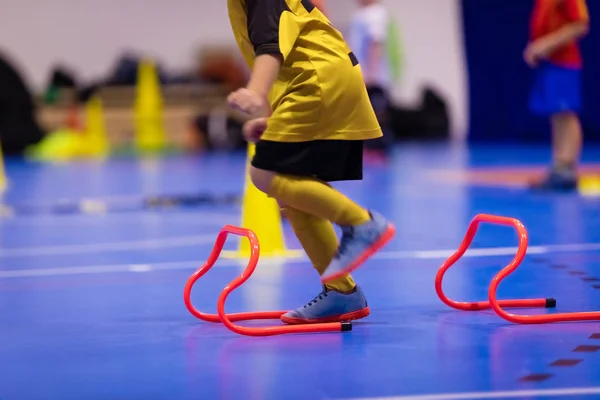
3.4 Handball Mini Training Exercises
For mini handball players, it's important to discover movement patterns through play and fun. Here are some exercises:
| Exercise | Goal | material |
| Throw ball over cone | Accuracy & Throwing Power | Ball, cone |
| mimicking animal movements | Body control & balance | Mats |
| Catch the ball! | Reaction & Hand-Eye Cod. |
Softball |
3.5 Exercises and training for the F-youth in handball
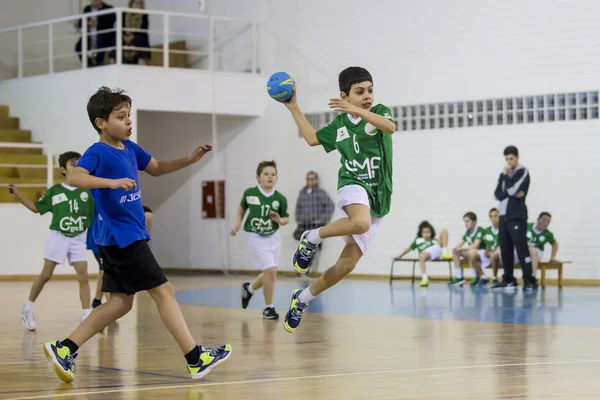
Children in the F-Youth category (usually between 7 and 8 years old in handball ) are in a phase where they can better absorb and process simple handball training exercises. They are able to understand basic game mechanics and actively participate in game situations.
In this age group, training begins with simple tactical approaches, but without fixed game systems. It's important that the training remains creative and that fun is the focus. The children should continue to learn through games, rather than being overwhelmed by too much theory.
Typical training content includes:
- Improving ball control through handball mini training exercises
- Playful practice of passing and catching techniques
- Introduction to throwing training in handball for E-youth through simple throwing exercises
- Promoting teamwork through cooperative games
The aim is to build upon the fundamentals from mini handball training and simultaneously develop playing skills in an age-appropriate manner. Here too, the principle applies: handball training for children should be individually adapted to their developmental stage.
3.6 Required training prerequisites for the F-Youth
For handball training for F-youth children to be effective and motivating, certain conditions should be considered. Children of this age need clear structures, plenty of room to move around, and above all, varied activities that challenge and develop them in a playful way.
The following prerequisites have proven effective in handball training for children in the F-youth category:
- Playing time: approx. 2 x 15 minutes
- Ball size: 0 – small and easy to grip for children's hands
- Game format: e.g. 5 against 5 on a reduced field
- Objectives: To learn to throw, strengthen team spirit, develop an understanding of the game
- Recommended exercise: Throwing practice for handball E-youth, preparing through target throws at small goals
Especially during this developmental phase, it is important to use game-like and creative training methods. The combination of movement, fun, and initial handball training exercises is ideal for inspiring children to enjoy the sport in the long term.
3.7 Handball training for e-youth
With the transition to the E-Youth level – around the age of 9 to 10 – the training focus shifts more towards tactical understanding and coordinated movement. Children of this age are usually able to grasp more complex game situations and react to them more effectively. Accordingly, the repertoire of handball training exercises expands to improve game pace, awareness, and teamwork.
Typical content in handball training for E-youth includes:
- Passing under pressure – e.g. in 2-on-1 drills
- Moving freely and covering behavior – the basis for offensive and defensive game intelligence
- First game formats with counter-attack – including game-like scenarios from handball E-youth throwing training
The training is supplemented by targeted mini-handball exercises that focus on coordination and reaction speed. The age-appropriate training approach remains paramount: overexertion is avoided, and instead, individual strengths are fostered – an important component of all children's handball training.
3.8 Handball Training D-Youth
Children aged 11 to 12 move up to the D-Youth level – a particularly important phase for their technical and tactical development. Here, the fundamentals learned in the E-Youth level are systematically deepened and expanded. Handball training for D-Youth players involves not only targeted instruction in throwing and passing techniques, but also an introduction to complex game situations and initial team tactical concepts.
The focus is on developing individual skills and teamwork. Physical conditioning and coordination also become increasingly important. Handball training for children of this age group therefore offers a balanced approach to technique, game intelligence, and enjoyment of the game.
Typical content in D Youth Handball training:
- Throwing practice for handball D-youth (e.g. jump shot, overhand shot)
- Positional play – correct spatial distribution in attack and defense
- Group tactics (attack/defense) – e.g. simple plays and team coordination
- Handball exercises for D youth: Change of pace, handover/takeover to promote game rhythm and ball control
Age-appropriate instruction not only expands technical skills but also fosters an understanding of the game. The goal: to motivate children to further develop their abilities and inspire a long-term passion for handball.
5. Conclusion
Handball training for children requires more than just a ball and a goal – it needs age-appropriate content, dedicated coaches, and plenty of patience and empathy. A well-designed handball training program that addresses the children's developmental stage creates the foundation for long-term enthusiasm and sporting success.
The focus is always on motor development, the enjoyment of the game, and the targeted promotion of individual skills. Whether in mini handball training, the first throwing practice for E-youth handball, or advanced handball training for D-youth – the path from the first movements to tactical understanding is varied and exciting.
Key basic principles:
- Learning happens through play, not through pressure or rigid discipline.
- Ball size, field size and rules of the game must be adapted to the age and ability of the children – this applies from the training of the F-youth through the E- to the D-youth.
- Good training accompanies children holistically on their sporting journey – from the first handball training session for minis to team players with personality and game awareness.
The right balance of play, technique, coordination, and team spirit is crucial – because only those who enjoy training will remain loyal to handball. Regardless of a child's starting age, structured handball training exercises, creative game formats, and targeted shooting practice allow young talents to reach their full potential.
Handball Rules: A brief overview of the most important rules of the game
Handball throwing power training: The complete guide for more power, technique & throwing speed
Related Posts

Handball throwing power training: The complete guide for more power, technique & throwing speed

Handball Rules: A brief overview of the most important rules of the game


